Setting up a home in Australia on a budget
Most people arrive in Australia with a few suitcases and move into an empty rental. Furnishing a home from nothing adds up faster than anyone expects. Here’s how to do it without blowing your savings in the first month.
Real voices
It was hard, and strangely freeing. You learn how little you actually need.
Dan Forest, ten years on from South Africa
Buy in the right order
You don’t need everything in week one. Start with what you can’t live without, then add the rest as money and time allow:
- Sleep: a bed or mattress, pillows and bedding.
- Food: a fridge (check whether the rental comes with one), a kettle, a pot, a pan, plates and cutlery.
- Washing: a washing machine if the rental doesn’t have one, or a laundromat nearby until you do.
- Somewhere to sit: a couple of chairs and a table. Two plastic chairs will do for a while.
Big items like fridges and washing machines usually need delivering, so factor delivery or a van hire into the price.
Second-hand, done safely
Facebook Marketplace, Gumtree, op shops and local “buy nothing” groups are full of good furniture for a fraction of the new price. A few things to know first:
- Private sales have few protections. According to Product Safety Australia, most consumer guarantees don’t apply when you buy from a private seller rather than a business. Check the item carefully before you pay.
- Check for recalls. Search the product on the government’s recalls site, especially for appliances and anything for children.
- Be careful with baby gear. For a second-hand cot, Product Safety Australia says to check it hasn’t been recalled, meets the current mandatory standard, has all its parts working, and comes with its assembly instructions.
Watch out for scams
Scammers post fake listings on classifieds sites too. As Scamwatch puts it, “If it seems too good to be true, it probably is.” See the item in person before you hand over money, and be wary of sellers who are always “away” and want payment upfront.
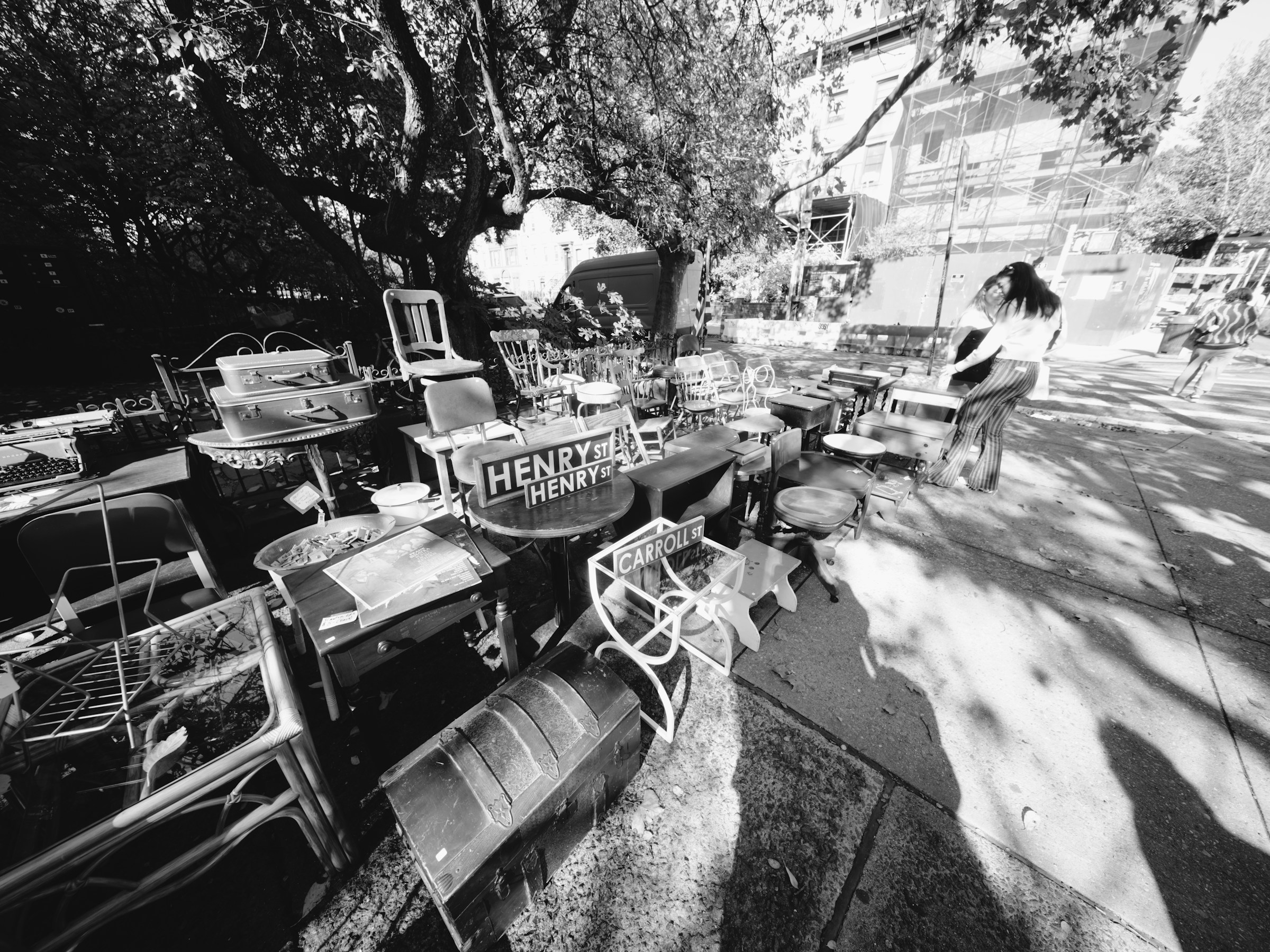
What about furniture on the footpath?
Councils run hard rubbish collections, and you’ll often see furniture piled on nature strips. It’s tempting, but taking it isn’t always allowed. Some councils treat removing someone else’s hard rubbish without permission as theft or illegal scavenging. If something catches your eye, knock and ask the owner first, and check your council’s rules. And remember you have to get it home.
Groceries: shop around
According to the ACCC, Australia’s supermarket sector is dominated by Coles and Woolworths, and it took Aldi more than 20 years to reach a 9% market share. A few habits make a real difference:
- Read the unit price. Most supermarkets must show a price per kilo, litre or item. The ACCC found that comparing unit prices on just a handful of everyday products could save around $250 a year.
- Mix your shops. Many people buy staples at Aldi and top up elsewhere.
- Check Aldi’s Special Buys. New ranges arrive every Wednesday and Saturday and sometimes include appliances and homewares.
- Find your market. Melbourne has big ones like Queen Victoria, Prahran and South Melbourne, and lots of towns have weekend farmers markets.
Bills: compare before you connect
When you set up power and gas, don’t just take the first plan offered. The government’s Energy Made Easy site compares plans in most states, and Victoria has its own, Victorian Energy Compare. More on setting up utilities in your first month.
Your setting-up checklist
Want a first-year number for your move? Try the cost calculator, and read what it really costs to move.
Sources
- Product Safety Australia: Buy safe second-hand products online
- Product Safety Australia: Household cots guide
- Product Safety Australia: Product recalls
- Scamwatch: Watch out for scammers when going online
- Frankston City Council: Hard waste collection FAQs (example council rules)
- ACCC: Supermarkets inquiry final report (March 2025)
- ACCC: Compare unit prices to save at the checkout
- Aldi: Special Buys
- Energy Made Easy and Victorian Energy Compare
Checked against sources in October 2026. General information only, not financial advice. We don’t earn anything from the shops or sites mentioned here.