Australia’s seasons: four on the calendar, six (or two) on Country
Christmas on the beach is just the start. Australia runs on the four calendar seasons, the tropical north has a wet and a dry, and the people who’ve lived here for tens of thousands of years read the year in seasons of their own. Here’s how to make sense of it.
Upside down: the calendar seasons
Australia is in the southern hemisphere, so the seasons are the reverse of Europe and North America. Officially they start on the first day of the month:
- Summer: December, January, February
- Autumn: March, April, May
- Winter: June, July, August
- Spring: September, October, November
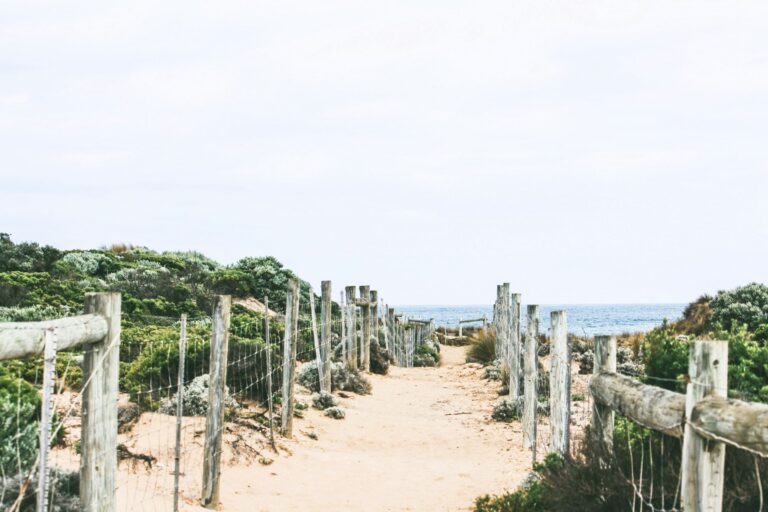
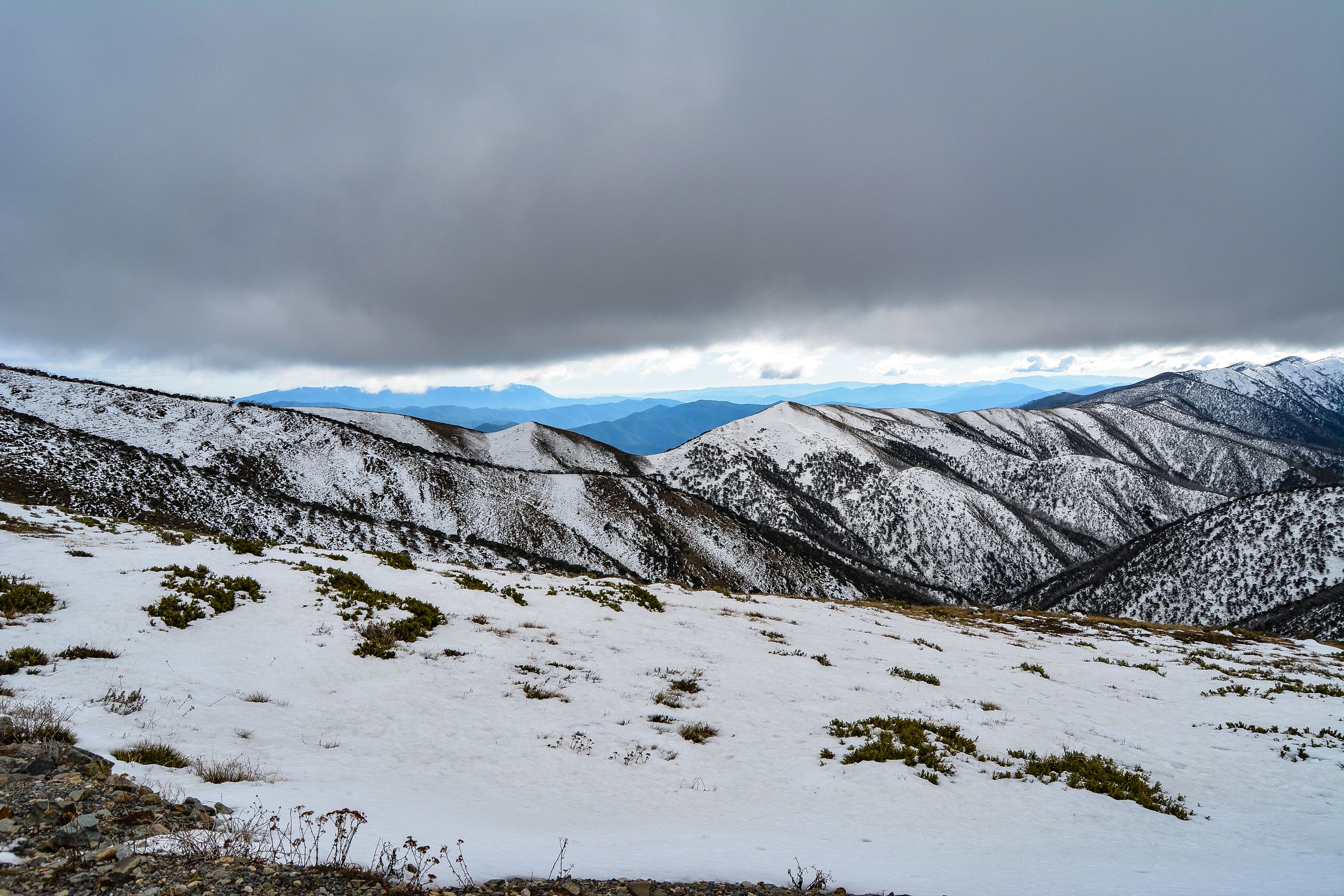
These fit the south best: Melbourne, Adelaide, Hobart, Perth and Sydney all get a real winter, and the alpine areas of Victoria and New South Wales get snow.
The tropical north: wet and dry
Across the north, places like Darwin, Cairns and Broome, the year splits into a wet season and a dry season. The Bureau of Meteorology treats the northern wet season as running roughly October to April: hot, humid, with heavy rain and storms. The dry season is the rest of the year, with warm days and clear skies, and it’s when most visitors go.
The official tropical cyclone season runs from 1 November to 30 April, with most cyclones forming between January and March. If you’re moving north, learn your local warnings early.
Seasons on Country
Aboriginal and Torres Strait Islander peoples have read the seasons through close observation of Country for thousands of years: when plants flower and fruit, when animals breed or move, how the weather turns. These calendars don’t follow fixed dates, they follow what’s happening on the land, and they differ from place to place.
- Gariwerd (the Grampians, Victoria): six seasons, recognised by the Djapwurrong and Jardwadjali custodians. Kooyang, the season of eels; Gwangal Moronn, honey bees; Chunnup, cockatoos; Larneuk, nesting birds; Petyan, wildflowers; and Ballambar, butterflies.
- Nyoongar (south-west Western Australia): six seasons: Birak, Bunuru, Djeran, Makuru, Djilba and Kambarang.
- Yirrganydji (Far North Queensland): two major seasons, wet and dry, each split into smaller seasons.
These are only three of many. The Bureau of Meteorology’s Indigenous Weather Knowledge project, created with the communities involved, shares calendars from across the country. Look up the calendar for the Country you live on. It’s one of the best ways to start understanding the place you now call home.
A note on respect
Seasonal calendars belong to the communities who hold them, and some carry their own permissions for use. Learn from them, credit them, and follow the guidance of local Traditional Owners.
Sun, heat and fire
UV levels in Australia can be high, even on cool or cloudy days, so check the daily UV index in the Bureau’s forecast and cover up when it’s high. In the south, the hottest and driest stretch of summer brings the highest bushfire risk. Know your local fire danger rating and download your state’s emergency app.
Timing your arrival
- The summer slowdown. From Christmas to late January, many people take their main holiday. Some businesses close or slow down, which can make job hunting and getting things done slower.
- The school year starts around late January or early February, depending on the state. Moving with kids? Aim to arrive before it starts.
- The financial year runs from 1 July to 30 June, so tax returns are done after June, not in April.
Sources
- Bureau of Meteorology: Indigenous weather knowledge
- Bureau of Meteorology: Gariwerd calendar
- Bureau of Meteorology: Nyoongar calendar
- Bureau of Meteorology: Yirrganydji calendar
- Bureau of Meteorology: Australian tropical cyclone season
Checked against official sources in October 2026. Seasonal calendars are shared by the Bureau of Meteorology with the permission of the communities who hold them.