Aussie slang survival guide: what people actually say
Nobody at work is going to say “crikey”. But within a week someone will ask you to bring a plate, offer to shout you, and answer a question with “yeah, nah”. Here’s the slang you’ll actually hear, and what it means.
The golden rule: shorten everything
Australians cut words down and often add an -o, -ie or -y to the end. Once you know the pattern, half of it decodes itself.
- Arvo: afternoon. “See you this arvo.”
- Brekkie: breakfast.
- Servo: a service station, or petrol station.
- Bottle-o: a bottle shop. Alcohol is mostly sold in separate bottle shops, not on supermarket shelves.
- Rego: car registration.
- Tradie: a tradesperson, like a plumber or electrician.
- Sunnies: sunglasses. You’ll need them.
- Maccas: McDonald’s.
- Rellos: relatives.
Everyday words that mean something else here
- Thongs: flip-flops, the footwear. Nothing else.
- Esky: a portable cooler box for drinks and food.
- Ute: a utility vehicle, a car with an open tray at the back.
- Snag: a sausage, usually on the barbecue. A sausage in a slice of bread is a sausage sizzle.
- Chook: a chicken.
- Crook: sick. “I’m feeling a bit crook.”
- Heaps: a lot. “Thanks heaps.”
- Keen: interested, up for it. “Are you keen for a swim?”
- Footy: football, but which one depends on where you are. In Victoria and most of the south and west it means Australian rules (AFL). In New South Wales and Queensland it usually means rugby league.
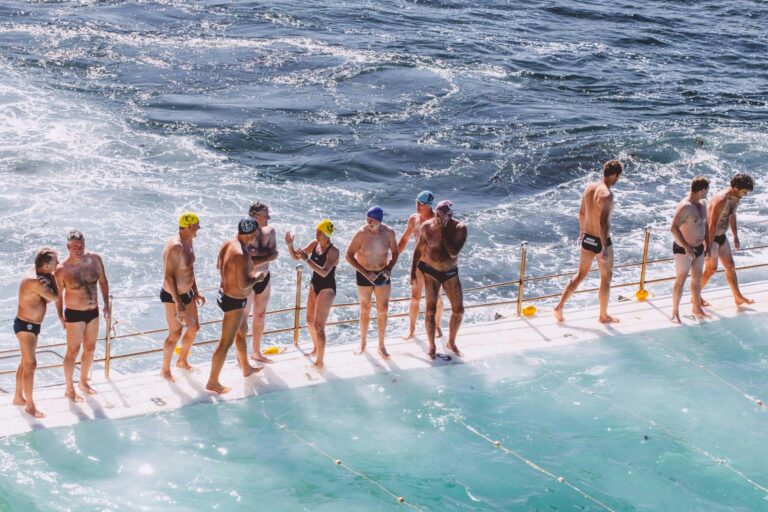
- Swimmers, togs or bathers: swimwear. Which word people use depends on the state.
Phrases that are really about manners
These are the ones worth learning first, because getting them wrong is awkward rather than funny.
- “How are you going?” A greeting, not a real question. “Good thanks, you?” is the right answer, even on a bad day.
- “Bring a plate”: bring a dish of food to share. Not an empty plate.
- BYO: bring your own drinks. Some restaurants are BYO and may charge a small fee to open your bottle (corkage).
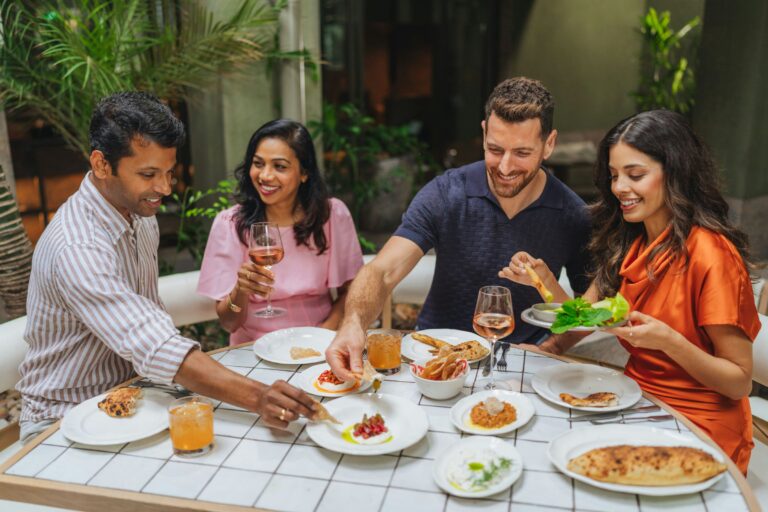
- Shout: to pay for someone. “It’s my shout.” In a group at the pub, people take turns buying a round, and you’re expected to take your turn.
- “No worries”: you’re welcome, that’s fine, no problem. It covers a lot.
- “She’ll be right”: it will be fine. Sometimes optimism, sometimes a reason to double-check.
Yeah, nah (and nah, yeah)
The famous one. “Yeah, nah” usually means no, softened to sound polite. “Nah, yeah” usually means yes. The last word tends to carry the answer. If in doubt, listen to the tone and ask again, nobody minds.
Mate
Mate can mean friend, but it’s also a neutral way to address almost anyone, including strangers and the person serving you. Tone does the work: a warm “thanks, mate” is friendly, while a sharp “mate…” is a warning. Teasing between friends, called taking the piss, is a sign of affection, not an insult.
Watch out
Forcing slang can sound like a parody. Understand it first, use it when it comes naturally. Locals will appreciate you getting the manners right far more than you saying “arvo”.
Sources
- Australian National Dictionary Centre (ANU): Meanings and origins of Australian words and idioms
- Australian National Dictionary
Checked in October 2026. Slang varies by region, age and crowd, so you’ll hear local twists on all of these.